

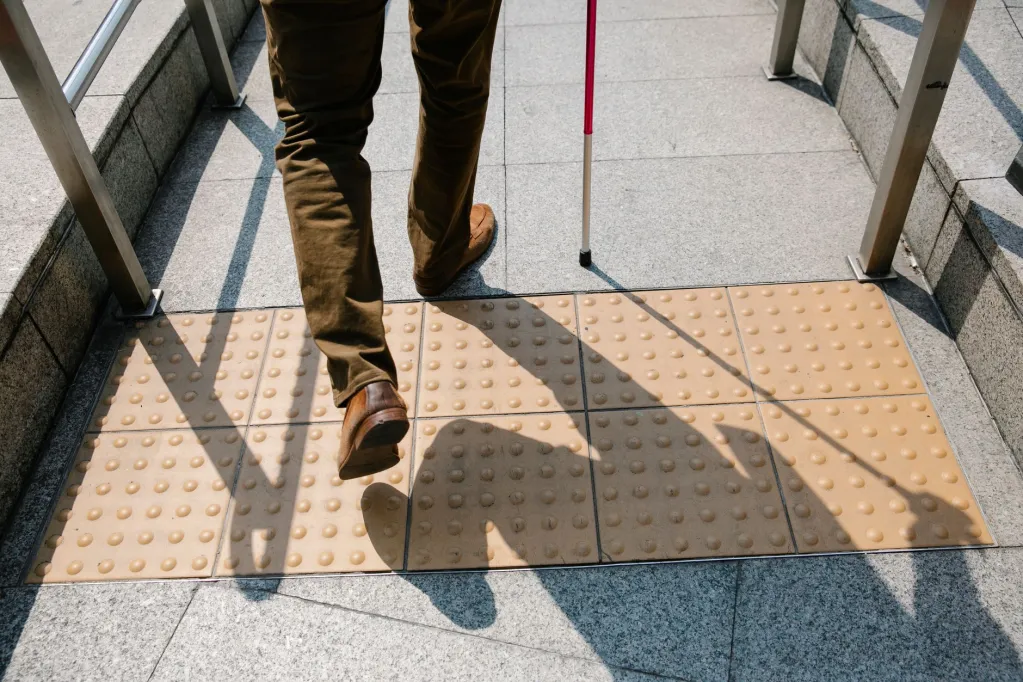
Most people never notice the hidden engineering that keeps a global metropolis moving. They walk across polished marble concourses, follow tactile indicator paths through transit hubs, and trust that every step is safe—without ever questioning the precise craftsmanship behind those surfaces.
When you spend years operating in the details of physical infrastructure and floor safety, you learn a fundamental business truth: the quietest work often carries the greatest operational responsibility.
The Hidden Dynamics of Urban Safety
In a city built on ambition, scale, and rapid expansion, public safety must be seamless and invisible.
Visible Infrastructure Invisible Safety Infrastructure---------------------------------------------------------------------------------High-Rise Towers & Skylines Precision Anti-Slip Treatments & SealantsArchitectural Landmarks Compliant Tactile Ground Indicators (TGI)Massive Transit Hubs High-Friction Concourse Surfaces & TransitionsUrban Expansion Metrics Rigorous Floor Maintenance & Friction Standards
Whether it is stainless-steel tactile studs guiding a visually impaired commuter through a crowded terminal, high-friction treatments preventing falls in commercial lobbies, or protective sealers defending stone from harsh desert humidity, these elements don’t make headlines. Yet, they dictate how millions of people navigate shared spaces with complete confidence.
Craftsmanship in an Acceleration Economy
In commercial contracting and urban development, speed is often prioritized above all else. But true operational excellence requires stepping back to focus on execution details that outlast short-term deadlines.
Every site—from massive retail developments to public transport hubs—involves an ecosystem of stakeholders:
- Contractors balancing strict delivery timelines with safety standards.
- Property Operators maintaining high-traffic assets across long lifecycles.
- Daily Commuters relying on subconscious physical cues to navigate complex environments smoothly.
The strongest foundational elements in business and engineering are rarely flashy. They are the structural and operational safeguards that quietly hold complex systems together behind the scenes.
Why Micro-Details Drive Macro Trust
A single overlooked detail in public space infrastructure can lead to operational friction, costly liability, or life-altering accidents. Safety isn’t dramatic, loud, or celebrated—it is essential.
Developing a discipline around floor safety and precision surface engineering teaches three core operational principles:
- Precision Over Speed: Small misalignments in surface preparation or accessibility standards compound into massive systemic flaws over time.
- Humility in Execution: True quality control doesn’t seek public praise; its success is proven by the complete absence of failures.
- Responsibility as a Brand Anchor: When clients and the public trust the structural integrity of your work, sales cycles shrink and long-term brand equity builds organically.
The Legacy Beneath Our Feet
Cities grow upward through towers, bridges, and bold skylines. But their long-term resilience rests downward—in the durability, accessibility, and safety of the surfaces carrying daily human traffic.
Building a lasting enterprise isn’t always about creating the most visible product in the room. It is about taking full ownership of the invisible details others overlook, ensuring that people can move through the physical world with absolute trust and peace of mind.